
Ultimate Guide To Cracked Sink Repair Products For Homeowners
Learn about the most effective repair kits and tools that help you fix cracked sinks efficiently and restore their original look.
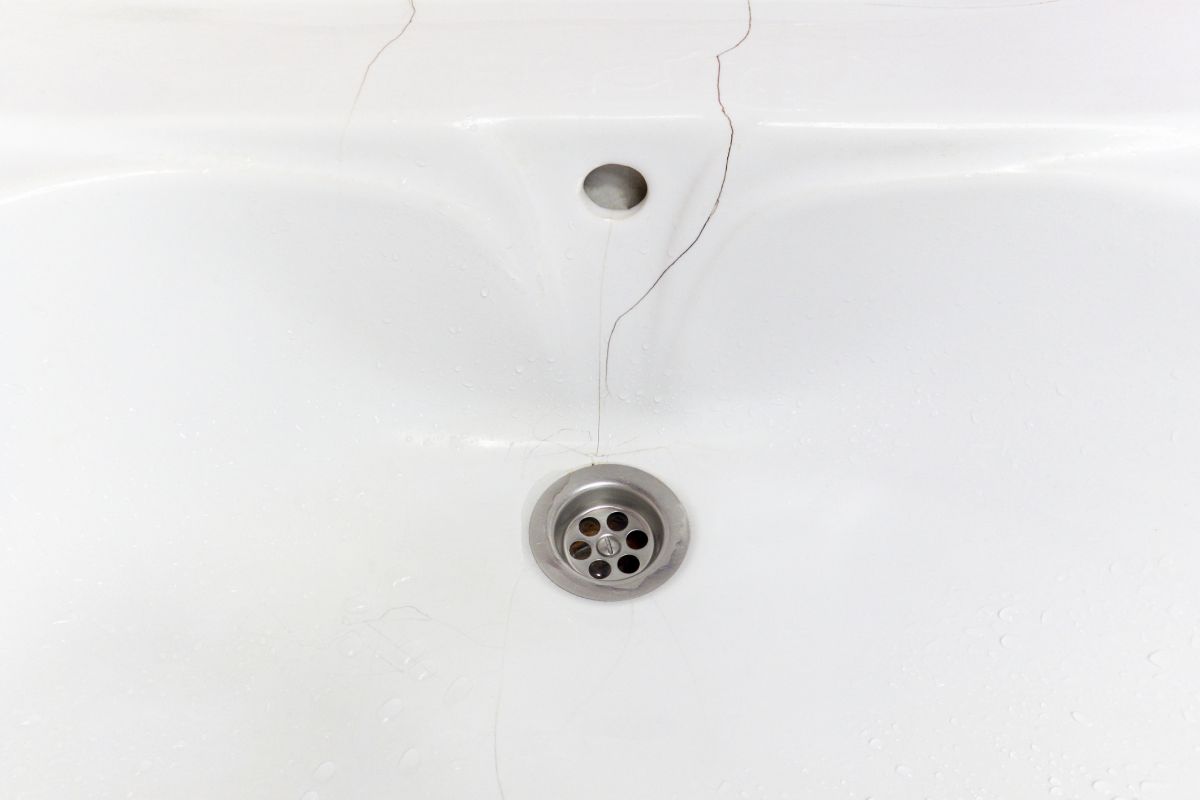 Cracked sinks can pose both aesthetic and functional concerns in residential and commercial spaces. When a sink develops a crack, it is essential to address the issue promptly to prevent further damage, water leakage, or potential mold growth. Repairing a cracked sink involves selecting appropriate products that can effectively seal or fill the damaged area while maintaining the sink's usability and appearance. The variety of repair options available includes epoxy resins, silicone sealants, specialized repair kits, and even patching compounds tailored for different sink materials such as porcelain, ceramic, or composite surfaces.
Top Overall Option
Multi-Purpose Epoxy Repair Kit
A versatile epoxy repair kit designed for quick and durable fixes on various sink materials. It typically includes a two-part epoxy resin, surface primers, and finishing compounds, making it suitable for filling cracks, chips, and minor damages. Easy to apply with simple mixing instructions, this type of product offers a strong bond and resistance to water and stains, helping to restore the sink's integrity while maintaining its appearance.
Types of Products For Cracked Sink Repairs
Epoxy Resin Fillers
Two-part epoxy resins designed to fill and bond cracks in sinks made of porcelain, ceramic, or composite materials.
Silicone Sealants
Flexible, waterproof sealants ideal for sealing minor cracks and preventing water seepage.
Ceramic Repair Kits
Specialized kits containing color-matched compounds to repair chips and cracks in ceramic sinks.
Porcelain Repair Kits
Products formulated specifically for porcelain surfaces, offering color matching and durable finishes.
Patching Compounds
Thick repair compounds that can be molded into cracks or chips, often used for larger repairs.
Liquid Repair Resins
Pourable resins that seep into cracks for a seamless fill, often used for hairline fractures.
Acrylic Repair Pastes
Easy-to-apply pastes suitable for minor surface damages on various sink types.
Repair Putty
Malleable putty that can be shaped and smoothed over cracks, then cured for a durable finish.
Surface Primers
Primers that improve adhesion of repair compounds to sink surfaces, ensuring longer-lasting repairs.
Color-Matched Fillers
Fillers available in various shades to blend repairs seamlessly with the sink's original color.
Flexible Repair Tapes
Adhesive tapes that can temporarily seal cracks or serve as a backing during repairs.
Quick-Set Repair Compounds
Fast-curing products suitable for urgent repairs, minimizing downtime.
Heavy-Duty Repair Kits
Comprehensive kits with multiple components for extensive damage or multiple cracks.
Waterproof Patching Materials
Patches or compounds specifically formulated to withstand constant water exposure.
Heat-Resistant Fillers
Products designed for sinks exposed to higher temperatures, such as in commercial kitchens.
Popular Choices
Widely used for their versatility and strong bonding capabilities on various sink materials.
Commonly selected for their flexibility and waterproof properties in minor crack repairs.
Popular for restoring aesthetic appeal in ceramic and porcelain sinks with matching colors.
Favored for sealing hairline cracks with a seamless finish.
Chosen for its ease of use and moldability for small to medium damage.
Selected for larger repairs requiring a sturdy, moldable solution.
Useful as temporary fixes or backing during more extensive repairs.
Ideal for quick fixes when time is limited.
Popular for blending repairs seamlessly with the existing sink color.
Preferred for comprehensive repairs involving multiple cracks or larger damage.
Trusted for their durability in constant water exposure environments.
Often used for minor surface imperfections on various sink types.
Used in settings where sinks are exposed to higher heat levels.
Choosing the right repair product depends on the size and location of the crack, the material of the sink, and the desired durability of the fix. For minor surface cracks, quick-setting epoxy or silicone sealants can provide a reliable seal that resists water and stains. Larger or more complex cracks may require comprehensive repair kits that include fillers, primers, and finishing compounds to restore the sink's integrity and appearance.
Proper application techniques are crucial for achieving a seamless repair. Cleaning the cracked area thoroughly before applying any repair product ensures better adhesion and a longer-lasting result. Some products are designed for easy use by homeowners, offering simple instructions and minimal tools, while others may be better suited for professional application. Regular maintenance and inspections can help identify cracks early and mitigate potential damage, prolonging the lifespan of the sink.
Overall, selecting the appropriate repair products and understanding their application can help maintain the functionality and appearance of your sink, avoiding costly replacements and extensive renovations. Whether dealing with minor surface imperfections or more significant damage, there are solutions suitable for a variety of sink types and repair needs.
Key Buying Considerations
- Compatibility with sink material such as porcelain, ceramic, or composite.
- Size and depth of the crack to determine the appropriate product type.
- Ease of application, especially for DIY repairs.
- Drying or curing time required for the product.
- Water resistance and durability of the repair material.
- Color matching options to blend seamlessly with existing sink color.
- Flexibility of the repair material to accommodate slight movements or expansions.
- Resistance to stains, mold, and mildew for long-term maintenance.
- Application tools included or required for proper use.
- Potential for future repairs or touch-ups if needed.
- Surface preparation requirements such as cleaning or priming.
- Safety considerations, including non-toxicity and fumes.
- Cost and value for money based on the repair scope.
- Availability of repair kits versus individual products.
- Brand reputation and user reviews for reliability.